

The National Association of Political Correspondents, NAPOC, holds its inaugural Annual NAPOC Lecture Series, NALS, on Wednesday, June 11, 2025, at the Shehu Musa Yar'Adua Centre, Abuja beginning from 10AM.
In a statement signed by the Coordinating Chairman of NAPOC 1990s, Deba Uwadulie, “the Legacy of Option A-4 and June 12 Election” is so important in the democratic evolution of Nigeria, especially from the era of the Second Republic.
The debut NAPOC Lectures Series, Uwadie said, would "focus on the legacy of Option A-4, and the modified open ballot system that was successfully deployed in the conduct of the annulled June 12, 1993, presidential election, globally adjudged as the freest and fairest in the history of Nigeria.
Further, he stated, “NALS is conceived to serve as a strategic platform for the exchange of productive ideas on how to advance our political culture and entrench good governance in the polity.
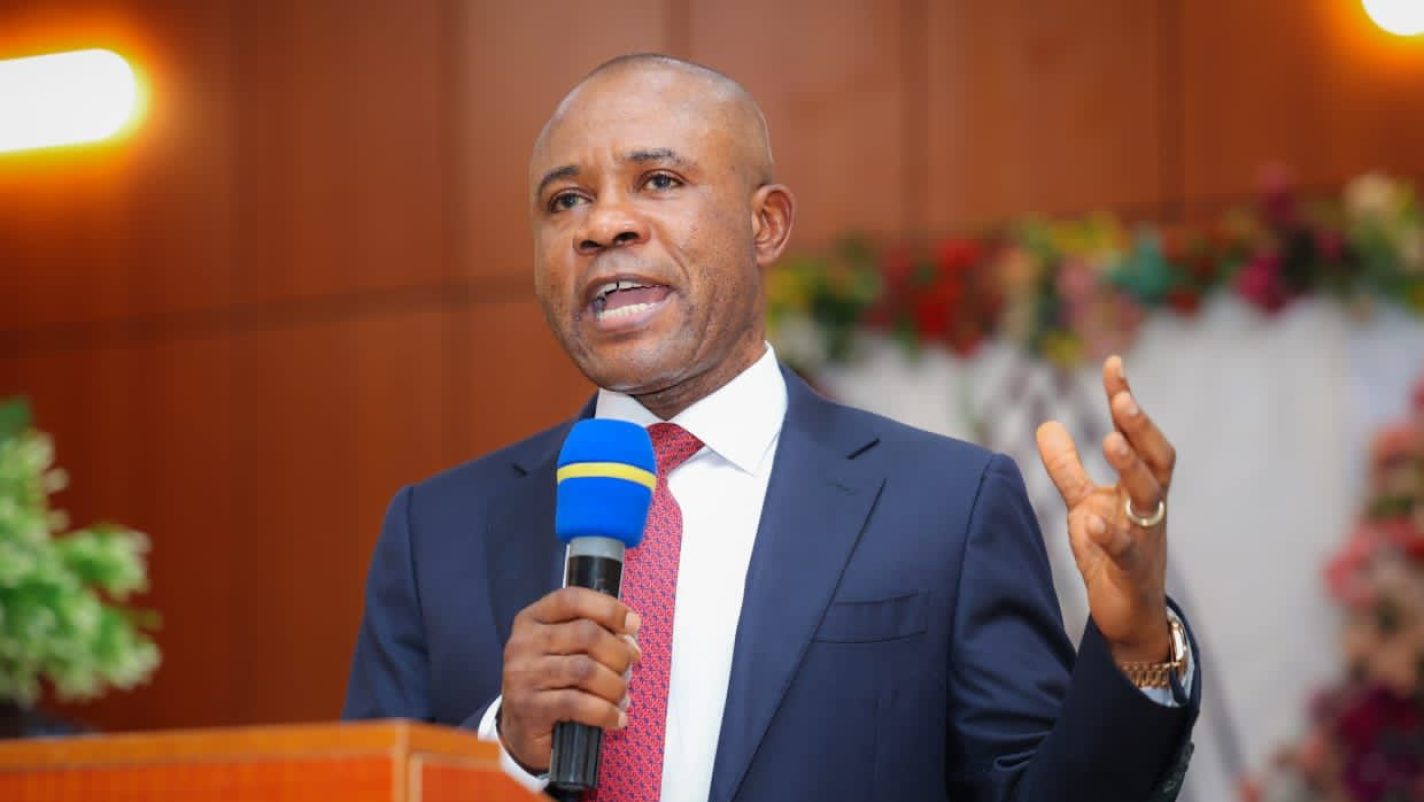
The former Governor of Imo State HE Rt. Hon. Emeka Ihedioha, CON, is expected to chair the inaugural lecture, with Dr. Dele Alake, Honourable Minister of Solid Minerals Development as Special Guest of Honor.
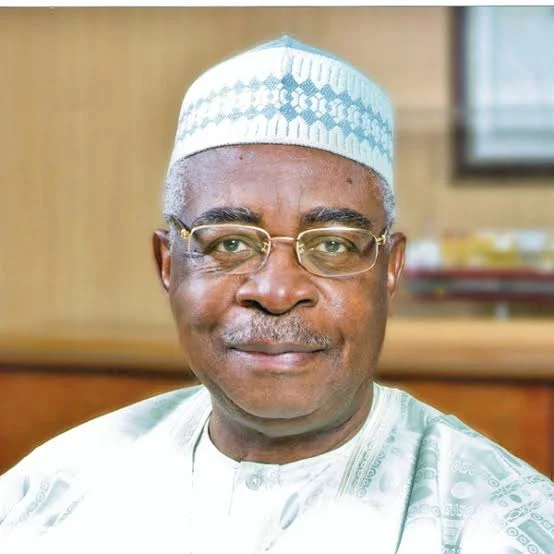
Also, the Guest Speakers include Prof. Tonnie Iredia, Chancellor, Tonnie Iredia University and former DG of Nigerian Television Authority, NTA and former Director, Public Affairs, National Electoral Commission (NEC). Also billed to grace the event for strong intellectual input is Prof. Jideofor Adibe of Department of Political Science, Nasarawa State University, Keffi.
Discussants at the lecture, he revealed, would include the former Deputy Governor of Nassarawa State, HE Labaran Maku, who was also the former Minister of Information and Prof. Abiodun Adeniyi, Registrar, Baze University, Abuja as well as Dr. Emeka Nwosu, Consultant, ECOWAS Parliament, Abuja who currently serves as the Chairman, NAPOC Board of Trustees.
The National Association of Political Correspondents (NAPOC) was formed in 1988 by political journalists assigned to cover activities at the national headquarters of the defunct National Electoral Commission (NEC), Onikan, Lagos at the dawn of the political transition programme of military President, General Ibrahim Badamasi Babangida.
Its missions are to promotion of political journalism in Nigeria through accurate reportage of political activities; enhancement and upholding of high ethical standards and efficiency by members.
Since the formation of NAPOC it has evolved as both a think tank on politics and public affairs, with many of its members having already served in various capacities in governments in Nigeria. Many have also branched into academics, law, business, banking and other professional fields.
Uwadie said that the present resurgence of NAPOC is to intervene more effectively in political reporting, writing, analysis and public affairs.
Prior to this development, many observers had thought that NAPOC had died a natural death but Uwadie said that they were mistaken since the period of hibernation was a necessary period of rebirth, especially in trying to appreciate the new media development in which the past mainstream media have lost their preeminence, leaving the field for the insert of countless number of players who can hardly be held accountable for reasons of myriad of individualised media platforms.


